The Science Behind Efficient Plumbing and HVAC Systems in Smart Homes Jul 22, 2026
Firstly, the concept of smart plumbing revolves around innovative technology that enhances water conservation and system efficiency. Smart plumbing systems are designed to reduce water waste, which is crucial in conserving our planet's valuable water resources. These systems often include sensors that detect leaks and automatically shut off the water supply, preventing water damage and costly repairs. Advanced monitoring tools can also provide real-time data on water usage, enabling homeowners to make informed decisions about their consumption habits.
The incorporation of smart technology in plumbing is not just about conservation but also about enhancing convenience. For instance, smart shower systems can be programmed to deliver water at a preferred temperature, reducing the time spent adjusting knobs to get the temperature just right. Additionally, Wi-Fi enabled water heaters allow homeowners to control and schedule heating cycles remotely, ensuring hot water is available when needed without unnecessary energy expenditure.
On the HVAC front, the integration of smart technology offers remarkable benefits in terms of energy efficiency and maintaining indoor air quality. Smart thermostats are a key component, as they allow homeowners to customize heating and cooling schedules based on their lifestyle. These devices learn habits over time and adjust settings to optimize energy use, leading to considerable savings on utility bills. For instance, a smart thermostat may lower the temperature during the day when nobody is home and ensure the house is comfortable by the time residents return.
Beyond smart thermostats, entire HVAC systems can be connected to smart home hubs, providing real-time data and diagnostics. This connection helps in early detection of issues that might require attention, thus avoiding costly repairs and ensuring the system runs efficiently. HVAC systems can also be equipped with air quality sensors that monitor pollutants and allergens, ensuring that the indoor environment is not only comfortable but also healthy.
Another aspect of efficient plumbing and HVAC systems in smart homes is zonal control. By configuring homes into separate zones, each with its own controlled temperature, energy is not wasted heating or cooling unoccupied spaces. This zonal efficiency is amplified by advanced HVAC technologies such as variable refrigerant flow systems, which adjust the cooling supply based on the specific needs of different zones.
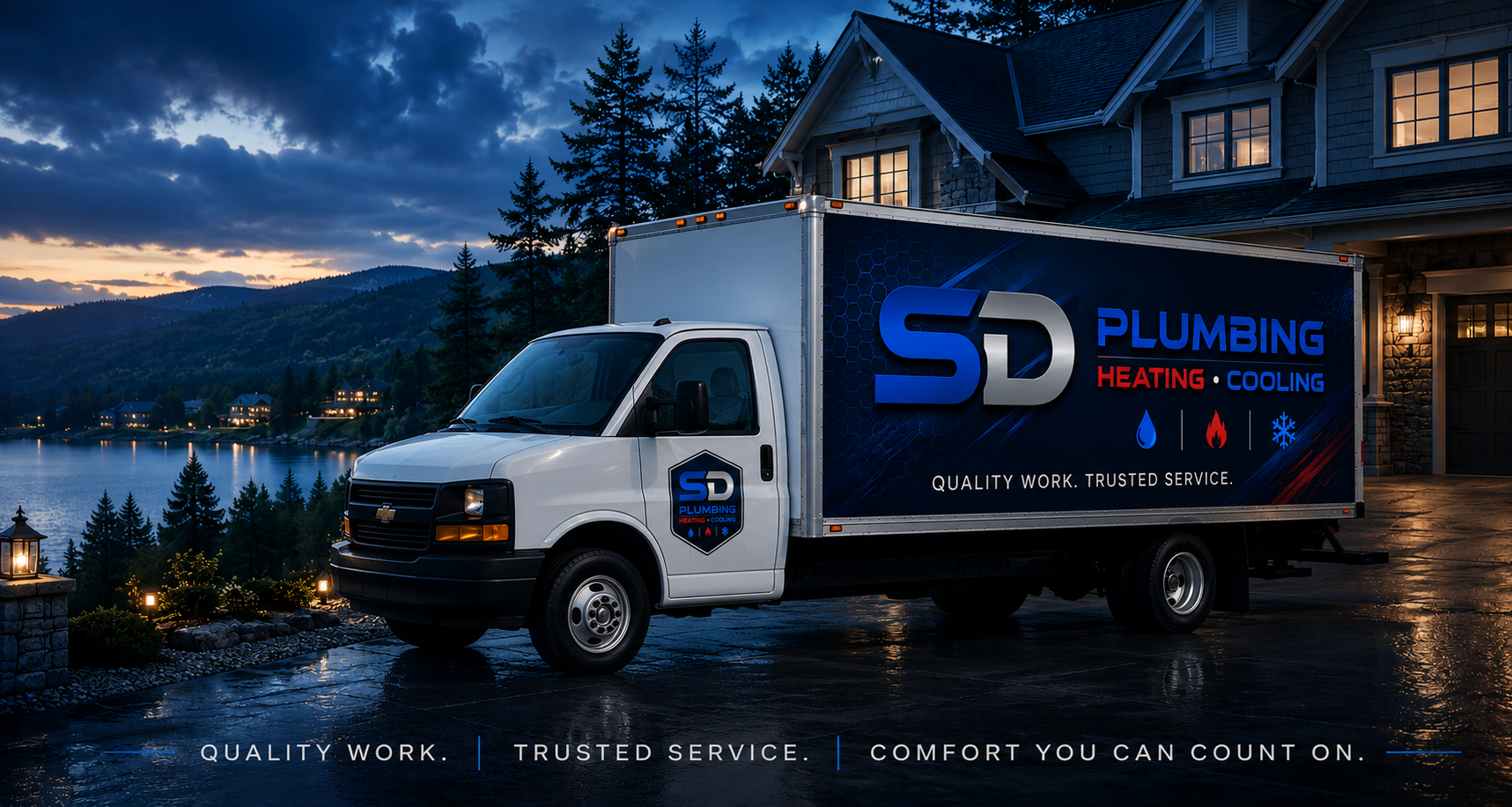
As we adopt smart home technologies, the role of professional installation and maintenance services becomes ever more important. Companies like SD Plumbing Heating and Cooling possess the expertise to integrate and maintain these advanced systems effectively. Their skill ensures that all components work together seamlessly, optimizing energy efficiency and system longevity.
In conclusion, the science behind efficient plumbing and HVAC systems in smart homes is rooted in smart technologies that promote energy conservation, convenience, and enhanced living environments. As homeowners continue to embrace these innovations, the role of experienced service providers like SD Plumbing Heating and Cooling becomes crucial, ensuring these systems deliver on their promise of efficiency and comfort. Investing in smart plumbing and HVAC systems is not just an investment in technology, but an investment in a sustainable future.
/filters:no_upscale()/filters:format(webp)/media/b9550e0b-2a32-4991-8926-3eaf953d9b3e.jpeg)
/filters:no_upscale()/filters:format(webp)/media/2568b61a-c3af-49f1-b5d3-9d6014b13cb4.jpeg)