Preventative Plumbing Tips to Protect Your Home from Water Damage Jul 29, 2026
Start by conducting regular inspections of your plumbing system. This includes checking under sinks, around your water heater, and behind appliances like washing machines for any signs of leaks or drips. Early detection of a small leak can prevent it from escalating into a major problem. Don't forget to inspect your water supply lines and hoses for signs of wear or deterioration, which can be indicative of a potential failure.
Investing in quality fixtures and fittings is another effective way to prevent water damage. High-quality plumbing components are less likely to fail and often come with better warranties and support. Consider upgrading old fixtures and replacing outdated plumbing materials, such as galvanized steel pipes with modern, durable materials like PEX or copper, which are more resistant to corrosion and leaks.
Regularly clean your drains to prevent clogs, which can cause overflowing water and damage. This means being mindful of what goes down the drain. Avoid disposing of grease, coffee grounds, or hair down the sink or shower. Instead, use drain screens to catch debris. In the kitchen, always dispose of food scraps in a compost bin or trash rather than the garbage disposal.
Don't overlook the importance of maintaining your home’s exterior plumbing. Clean your gutters and downspouts regularly to ensure they’re free of debris, which can block the flow of water and cause it to overflow onto your foundation. This step is especially crucial during the autumn months when falling leaves can accumulate quickly. Direct downspouts away from your home to prevent water from pooling around the foundation, which can lead to basement leaks or structural damage.
Consider installing water detection devices in areas prone to leaks, such as basements, bathrooms, or kitchens. These smart devices alert you at the first sign of moisture, allowing you to respond swiftly and minimize potential water damage. For an added layer of protection, automatic water shut-off systems can be installed to stop the flow of water upon detecting a leak.
If you're traveling or planning to be away from home for an extended period, it's wise to shut off the main water supply. This simple step can prevent unexpected plumbing disasters from escalating while you're not there to manage them. Before doing this, ensure your pipes are drained to prevent them from freezing during colder months.
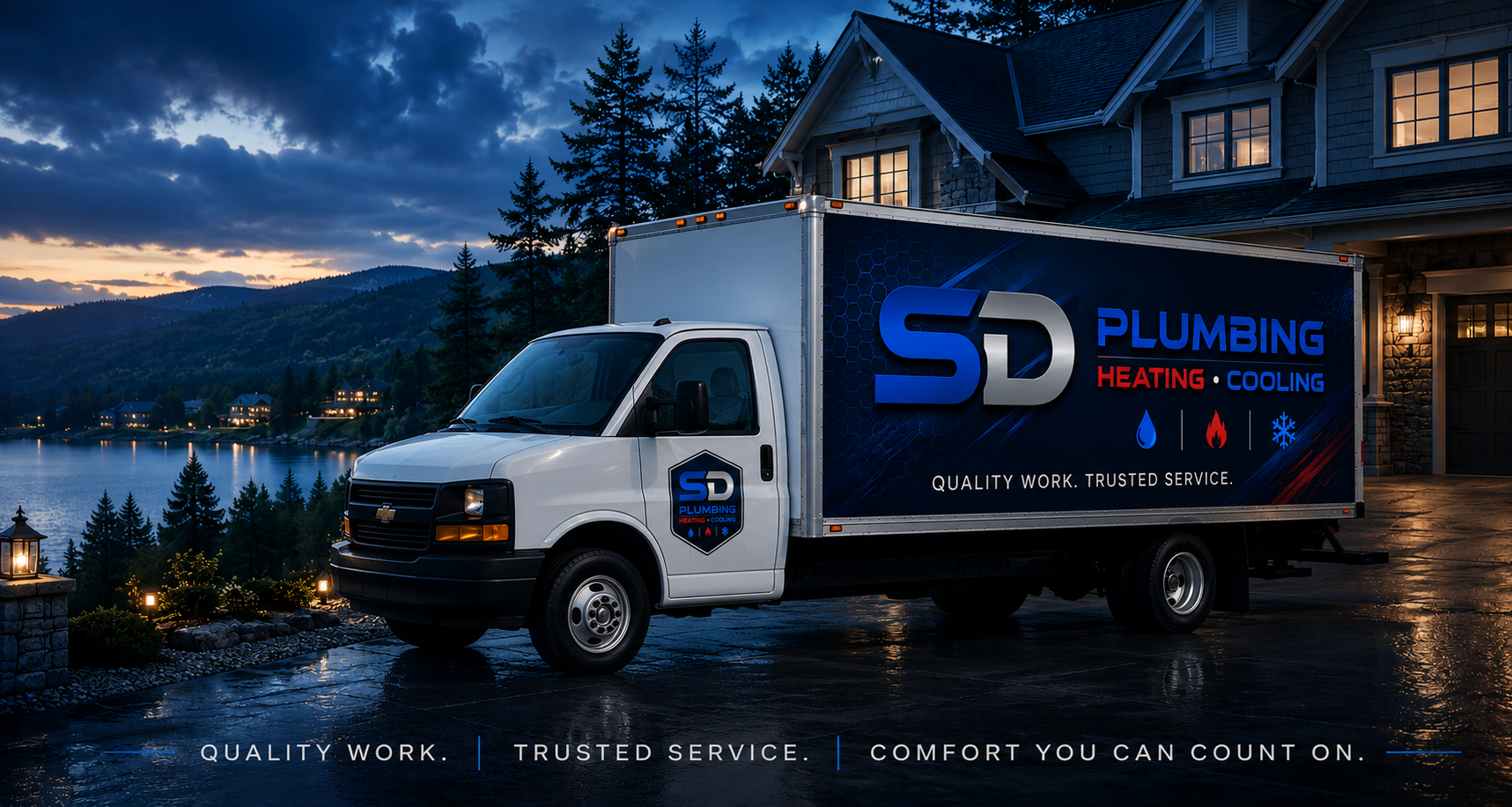
Lastly, regular professional maintenance can significantly reduce the risk of water damage. Scheduling a routine check-up with SD Plumbing Heating and Cooling allows us to identify and address minor issues before they become expensive repairs. Our expert team is equipped with advanced tools and up-to-date knowledge to ensure that your plumbing system remains in optimal condition.
In conclusion, preventing water damage requires ongoing vigilance and commitment to regular maintenance. By inspecting your plumbing regularly, making necessary upgrades, and seeking professional assistance, you can protect your home from unexpected plumbing challenges. SD Plumbing Heating and Cooling is here to help you every step of the way, ensuring your plumbing system remains robust and efficient. Protect your home, preserve its value, and enjoy peace of mind with these preventative plumbing tips.
/filters:no_upscale()/filters:format(webp)/media/b9550e0b-2a32-4991-8926-3eaf953d9b3e.jpeg)
/filters:no_upscale()/filters:format(webp)/media/2568b61a-c3af-49f1-b5d3-9d6014b13cb4.jpeg)