How to Achieve Optimal Energy Efficiency with Your Home's Heating and Cooling Systems Aug 16, 2026
To begin with, an energy-efficient heating and cooling system requires regular maintenance. Routine check-ups ensure that your HVAC units are free from dust, debris, and any mechanical issues that could hinder performance. Scheduling professional maintenance at least twice a year will help identify any underlying issues and keep the units operating efficiently. An HVAC technician can check for refrigerant levels, examine the thermostat accuracy, and ensure that all components are functioning properly.
Next, upgrading your thermostat to a programmable or smart thermostat can significantly enhance energy efficiency. These thermostats allow you to set temperatures based on your daily schedule, automatically lowering heating and cooling when you are not home. Over time, this can lead to significant energy savings. Programmable thermostats also offer insights into your energy usage, helping you identify patterns and areas where you can be more efficient.
Another important consideration is the insulation of your home. Proper insulation ensures that the air within your home remains at a consistent temperature, reducing the workload on your HVAC system. Insulate attics, walls, and floors to prevent heat loss during winter and keep your home cooler in the summer. Sealing gaps around doors, windows, and ductwork can also prevent air leaks, further improving energy efficiency.
In addition, be mindful of the energy efficiency rating when purchasing new heating and cooling equipment. Modern HVAC systems with high SEER (Seasonal Energy Efficiency Ratio) ratings consume less energy and, although the initial investment may be higher, the long-term savings on energy bills make it worthwhile. When in doubt, consult with a professional to evaluate your specific needs and recommend the best equipment for your home.
Ceiling fans can also play a crucial role in enhancing the efficiency of your HVAC system. During the summer, fans can help circulate cool air throughout the house, allowing you to set the thermostat a few degrees higher while still maintaining comfort. In winter, reversing the direction of the fan can push warm air downwards, reducing the need for additional heating.
Lastly, consider supplementing your heating and cooling efforts with renewable energy sources. Installing solar panels is a long-term solution that not only reduces your dependency on non-renewable energy but also decreases utility costs. Over time, the savings from reduced electricity bills can offset the initial cost of installation, making it a viable option for increasing your home's energy efficiency.
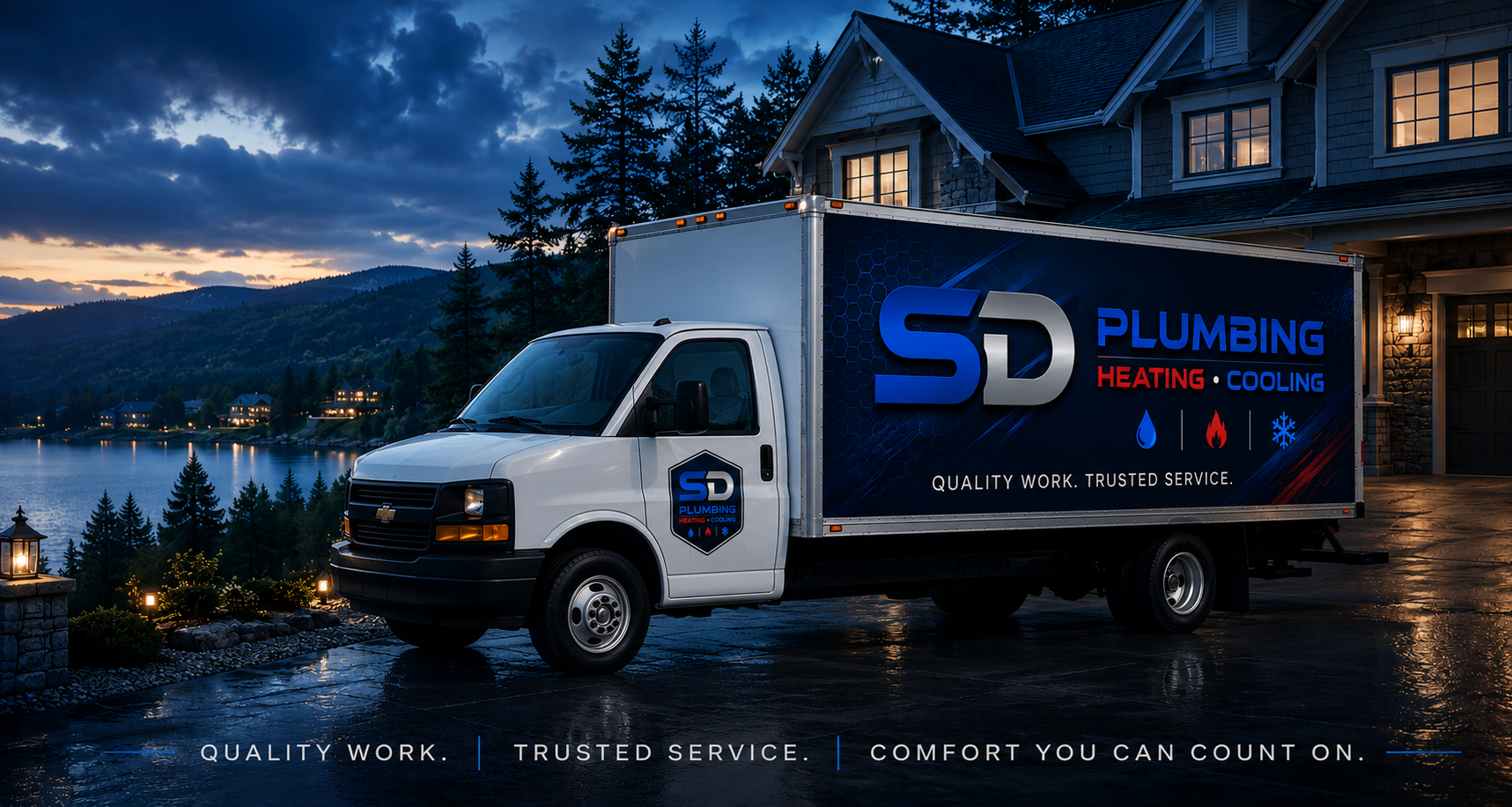
In conclusion, achieving optimal energy efficiency in your home’s heating and cooling systems requires a combination of routine maintenance, smart technology, proper insulation, and sometimes a shift towards renewable resources. By taking these steps, you can enjoy a comfortable home environment, reduce your carbon footprint, and save on energy bills. For personalized advice and professional HVAC servicing, trust the experts at SD Plumbing Heating and Cooling. Our team is committed to helping you attain unmatched energy efficiency for your home.
/filters:no_upscale()/filters:format(webp)/media/b9550e0b-2a32-4991-8926-3eaf953d9b3e.jpeg)
/filters:no_upscale()/filters:format(webp)/media/2568b61a-c3af-49f1-b5d3-9d6014b13cb4.jpeg)